
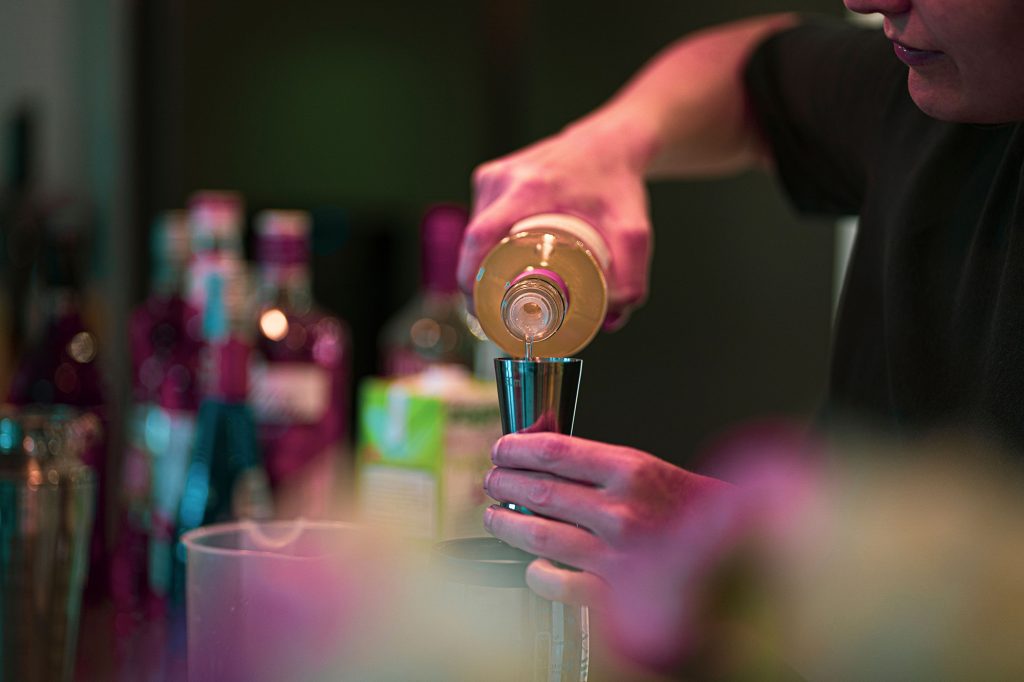
Alcohol consists mainly of ethanol, a toxin that is metabolized primarily in the liver and stomach. Ethanol is broken down into acetaldehyde – a known carcinogen that is significantly more toxic than ethanol itself and causes cell damage. Many short - and long-term symptoms of alcohol consumption are due to this acetaldehyde toxicity.
Impact on the brain
Alcohol crosses the blood-brain barrier and releases dopamine and serotonin – this creates the typical feeling of well-being after a drink. In the long term, however, it can cause DNA damage, nerve cell death, cognitive impairment, and reduced brain volume1. Alcohol is considered a Group 1 carcinogen and is associated with numerous cancers2.
Effect on the gut and digestive tract
The intestines and digestive system are also surprisingly affected: alcohol can trigger nutrient deficiencies, increase intestinal permeability (leaky gut syndrome) and kill beneficial intestinal bacteria3. Chronic consumption promotes malnutrition – especially in magnesium, selenium, zinc, B vitamins, vitamin C and the fat-soluble vitamins A, D, E and K. Alcohol not only displaces food, it also reduces the absorption and utilization of nutrients4.
Notice on taking JANISER®
Alcohol is not considered healthy – even light or moderate consumption carries risks. For the full effect of the live cultures and nutrients in JANISER®, we recommend avoiding alcohol while taking it.
If you do drink alcohol, these three tips will help minimize risks and better utilize the benefits of JANISER®:
- Drink slowly to avoid liver overload and acetaldehyde breakdown.
- Eat with it: Fiber, healthy fats and proteins slow down ethanol absorption.
- Integrate fermented foods to support your gut flora with live cultures.
Important:
Social, occasional red wine consumption in good company is a manageable risk for most people – isolation, on the other hand, is up to six times more deadly than a glass of wine according to current studies. So not only take care of your gut, but also your social contacts.
1 https://www.nature.com/articles/s41467-022-28735-5
2 https://pubmed.ncbi.nlm.nih.gov/27130687/
3 https://pubmed.ncbi.nlm.nih.gov/25226407/
4 https://www.psychiatryinvestigation.org/m/journal/view.php?number=744
Image: James Dollin


